Exposure Therapy Explained: How It Works for Anxiety & Phobias
Discover how exposure therapy, a core component of CBT, helps individuals gradually confront and overcome fears like anxiety and phobias in a safe, controlled environment. Learn about its effectiveness, different formats, and how it can help you reclaim your life.
ChatCBT

Living with anxiety or a phobia can feel like being trapped in a cycle of avoidance. You might turn down social invitations, refuse to travel by aeroplane, or feel your heart race at the mere thought of encountering a spider. For millions of adults across the United Kingdom, these fears significantly impact daily life, relationships, and career opportunities. Fortunately, there is a highly effective, evidence-based treatment that has helped countless individuals reclaim their lives from the grip of fear.
Key Takeaways
- Exposure therapy is a core component of cognitive behavioural therapy (CBT) that helps individuals gradually confront their fears in a safe, controlled environment
- Research demonstrates success rates between 60% and 90% for treating specific phobias and anxiety disorders
- The treatment works by creating new learning experiences that weaken the association between feared situations and danger
- Various formats exist, including in vivo (real-life), imaginal (visualisation), and virtual reality approaches
- Working with a qualified CBT therapist ensures proper pacing and support throughout the treatment process
- Most people experience significant improvement within 8 to 15 sessions of structured treatment
Understanding the Foundations of This Evidence-Based Approach
At its core, this therapeutic technique involves systematically and gradually facing the objects, situations, or activities that trigger fear and anxiety. Rather than avoiding what frightens you, which tends to strengthen fear over time, you learn to confront these triggers in a controlled, supportive manner. The approach is grounded in decades of psychological research and has become one of the most well-established treatments for anxiety disorders available today.
The theoretical foundations trace back to early behavioural psychology and the work of pioneers who studied how fears are learned and, crucially, how they can be unlearned. When we avoid something that frightens us, we never give ourselves the opportunity to discover that the feared outcome may not occur, or that we can cope with discomfort better than we imagined. This avoidance reinforces the belief that the situation is genuinely dangerous, perpetuating the anxiety cycle.

According to clinical research published in peer-reviewed journals, this treatment approach demonstrates remarkable effectiveness across various anxiety conditions. Studies consistently show that between 60% and 90% of individuals with specific phobias experience significant symptom reduction following a structured treatment programme. The American Psychological Association recognises this approach as a first-line treatment for numerous anxiety-related conditions.
How the Treatment Process Works Within CBT
Cognitive behavioural therapy provides the framework within which this powerful technique operates. CBT focuses on the interconnection between thoughts, feelings, and behaviours, recognising that changing one element can influence the others. When combined with gradual fear confrontation, the treatment addresses both the behavioural patterns of avoidance and the unhelpful thought patterns that maintain anxiety.
The process typically begins with a thorough assessment where your therapist helps you understand your specific fears, triggers, and avoidance patterns. Together, you will create what clinicians call a fear hierarchy, which is essentially a ranked list of feared situations from least to most anxiety-provoking. This personalised roadmap guides the treatment, ensuring you progress at a pace that feels challenging yet manageable.
During sessions, your therapist guides you through confronting items on your hierarchy, starting with less distressing situations and gradually working toward more challenging ones. This systematic approach, known as graded exposure, allows you to build confidence and develop coping skills progressively. The goal is not to eliminate anxiety entirely but to learn that you can tolerate discomfort and that feared outcomes rarely materialise.
Therapist Tip: Remember that feeling anxious during treatment is expected and even necessary. The discomfort you experience is temporary, and each successful confrontation weakens the fear response over time.
Different Formats and Approaches Used by Therapists
Qualified CBT practitioners employ several different formats depending on your specific needs, the nature of your fears, and practical considerations. Understanding these options can help you feel more prepared when beginning treatment and allows for more productive discussions with your therapist about which approach might suit you best.
| Format | Description | Best Suited For |
|---|---|---|
| In Vivo | Direct, real-life confrontation with feared objects or situations | Specific phobias, social anxiety, agoraphobia |
| Imaginal | Vividly imagining feared scenarios in detail | PTSD, trauma, situations difficult to recreate |
| Interoceptive | Deliberately triggering physical sensations associated with panic | Panic disorder, health anxiety |
| Virtual Reality | Using VR technology to simulate feared environments | Fear of flying, heights, situations impractical to access |
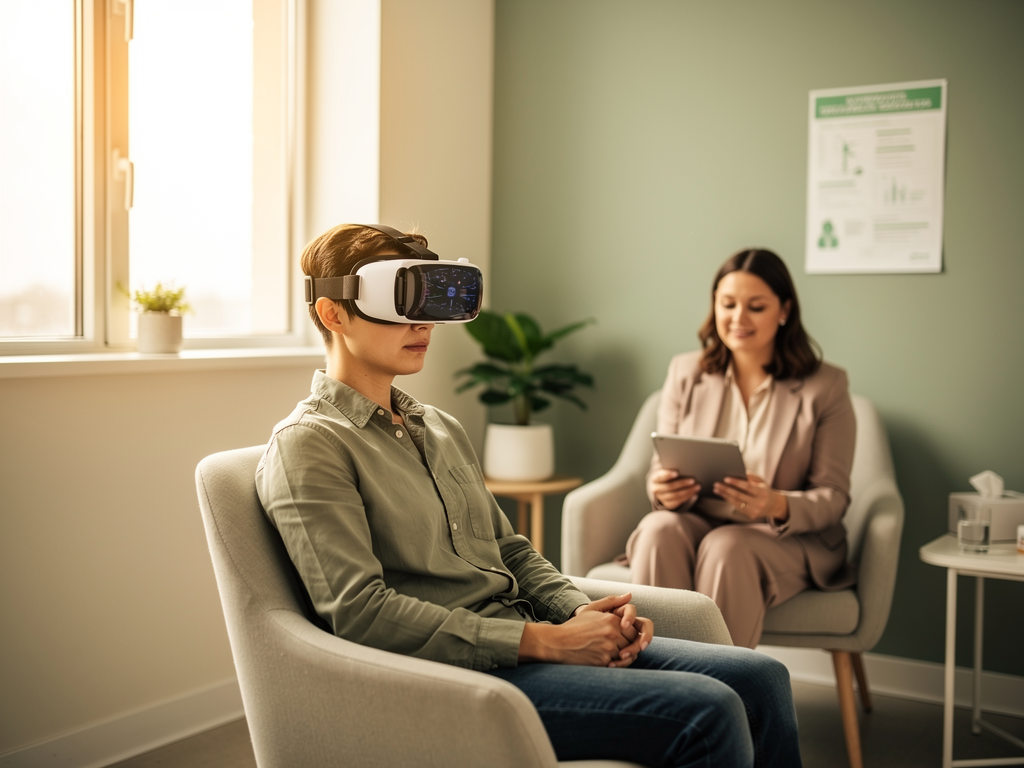
In vivo treatment involves direct, real-world confrontation with whatever triggers your anxiety. If you have a fear of dogs, this might involve gradually progressing from looking at photographs of dogs to eventually petting a calm, friendly dog in a controlled setting. The Cleveland Clinic notes that this format is often considered the gold standard for specific phobias because it provides direct evidence that the feared situation is manageable.
Imaginal approaches prove particularly valuable when real-life confrontation is impractical or when treating trauma-related conditions. Your therapist guides you through detailed visualisation of feared scenarios, helping you process difficult memories and emotions in a safe therapeutic space. This technique is a cornerstone of prolonged treatment for post-traumatic stress disorder.
Conditions That Respond Well to This Treatment
The versatility of this therapeutic approach means it can effectively address a wide range of anxiety-related conditions. Understanding which conditions respond particularly well can help you determine whether this treatment might be appropriate for your situation and encourage you to seek professional support.
Specific phobias represent perhaps the most straightforward application, with treatment typically producing rapid and lasting results. Whether you fear spiders, heights, enclosed spaces, or medical procedures, structured confrontation helps rewire your brain's threat response. Many individuals experience significant improvement within just a few sessions when working with a skilled therapist.

Social anxiety disorder responds well to graduated social confrontation combined with cognitive restructuring. Treatment might involve practising conversations, attending social gatherings, or deliberately making small mistakes in public to learn that the feared social consequences rarely occur. The Psychology Tools resource library offers valuable insights into how therapists structure these interventions.
Obsessive-compulsive disorder often requires a specialised variant called exposure and response prevention (ERP). This involves confronting obsessive thoughts or triggers whilst refraining from performing compulsive behaviours. Though challenging, ERP is considered the most effective psychological treatment for OCD and can produce life-changing results.
Panic disorder benefits from interoceptive approaches that help individuals become less afraid of their own bodily sensations. By deliberately inducing sensations like rapid heartbeat or dizziness in a safe environment, you learn that these feelings, whilst uncomfortable, are not dangerous.
What to Expect When Working With a Qualified Therapist
Beginning treatment can feel daunting, but understanding what to expect helps reduce anticipatory anxiety and sets realistic expectations for your therapeutic journey. A qualified CBT therapist will guide you through each stage, ensuring you feel supported and empowered throughout the process.
Your first sessions will focus on building a therapeutic relationship and conducting a comprehensive assessment. Your therapist will want to understand your specific fears, their origins, how they affect your daily life, and what you hope to achieve through treatment. This collaborative approach ensures the treatment plan addresses your unique needs and goals.
Together, you will construct your personalised fear hierarchy, rating situations from 0 to 100 based on the anxiety they provoke. This hierarchy becomes your treatment roadmap. Your therapist will explain the rationale behind each intervention, helping you understand why facing fears, rather than avoiding them, leads to lasting change.

During active treatment sessions, your therapist will guide you through confronting items on your hierarchy. They will help you manage anxiety using breathing techniques and cognitive strategies, whilst encouraging you to remain in the situation long enough to learn that your feared outcomes do not occur. Homework assignments between sessions help consolidate learning and accelerate progress.
Most treatment programmes span 8 to 15 sessions, though this varies depending on the complexity of your difficulties. Your therapist will regularly review progress and adjust the treatment plan as needed. The UK Counselling Directory can help you find qualified CBT practitioners who specialise in anxiety treatment.
Overcoming Common Challenges and Maximising Success
Whilst this treatment approach is highly effective, it is not without challenges. Understanding potential obstacles and strategies for overcoming them increases your likelihood of success and helps you maintain motivation throughout the treatment process.
Initial resistance is entirely normal. The prospect of deliberately confronting what frightens you can feel counterintuitive and overwhelming. Remember that your therapist will never force you into situations you are not ready for, and the gradual nature of treatment means you build up to more challenging confrontations over time.
Temporary anxiety increases during treatment are expected and actually indicate that the treatment is working. You are learning to tolerate discomfort rather than flee from it. This discomfort is temporary, and most individuals report that their anxiety peaks early in each confrontation before naturally subsiding.

Setbacks and fluctuations are part of any recovery journey. You may have days when anxiety feels more intense or when avoidance seems tempting. These moments do not represent failure but opportunities to practise your skills. Discuss any setbacks openly with your therapist, who can help you adjust strategies accordingly.
To maximise your success, commit to completing homework assignments between sessions, practise regularly, and maintain open communication with your therapist. Research from the Anxious Minds organisation emphasises that consistent practice outside sessions significantly enhances treatment outcomes.
Conclusion
Facing your fears through structured, evidence-based treatment offers a proven pathway to freedom from anxiety and phobias. This approach, delivered within the framework of cognitive behavioural therapy, has helped countless individuals across the United Kingdom reclaim their lives from the limitations imposed by fear. With success rates reaching 90% for certain conditions, it represents one of the most effective psychological treatments available today.
The journey requires courage and commitment, but the rewards are transformative. Imagine travelling freely, socialising confidently, or simply living without the constant weight of dread. These outcomes are achievable with the right support and guidance from a qualified professional who understands how to pace treatment appropriately for your unique situation.
Frequently Asked Questions
How long does treatment typically take to show results?
Most individuals begin noticing improvements within the first few sessions, though the timeline varies depending on the specific condition and its severity. For specific phobias, significant progress often occurs within 4 to 8 sessions. More complex conditions like OCD or PTSD may require 12 to 20 sessions for optimal results. Research indicates that approximately 60% to 90% of individuals experience meaningful symptom reduction by the end of a structured treatment programme. Your therapist will regularly assess progress and adjust the pace accordingly, ensuring you feel supported throughout your journey.
Is this treatment approach safe, and will I be forced to confront my worst fears immediately?
Absolutely, this treatment is considered safe when delivered by a qualified professional. You will never be forced into situations you are not ready for. The graduated approach means you start with mildly anxiety-provoking situations and progress gradually as your confidence builds. Your therapist will work collaboratively with you to determine appropriate pacing, and you always retain control over the process. The goal is to challenge you sufficiently to promote learning whilst ensuring you feel supported and capable of managing each step.
Can I undertake this treatment if I am currently taking medication for anxiety?
Yes, many individuals successfully combine this psychological treatment with medication prescribed by their GP or psychiatrist. In fact, some research suggests that combining medication with CBT-based approaches may enhance outcomes for certain conditions. However, it is important to inform both your therapist and prescribing doctor about all treatments you are receiving. Some medications may affect the learning processes that underpin successful treatment, so coordination between your healthcare providers ensures optimal care. Your therapist can discuss how medication might interact with your psychological treatment.
What happens if my anxiety gets worse during treatment?
Temporary increases in anxiety are expected and actually indicate that treatment is working as intended. You are learning to tolerate discomfort rather than avoid it, which initially feels uncomfortable. However, this heightened anxiety typically peaks early in each session and naturally subsides as you remain in the situation. If anxiety feels unmanageable, communicate openly with your therapist, who can adjust the pace or introduce additional coping strategies. Persistent worsening that does not improve warrants discussion with your therapist to ensure the treatment approach remains appropriate for your needs.
How do I find a qualified therapist who offers this treatment in the UK?
Finding a properly qualified therapist is essential for successful treatment. Look for practitioners accredited by recognised bodies such as the British Association for Behavioural and Cognitive Psychotherapies (BABCP) or registered with the Health and Care Professions Council (HCPC). Many therapists offer initial consultations where you can discuss their experience with your specific condition. Online directories allow you to search by location, specialisation, and accreditation status, making it easier to find someone suitable in your area.
Will my fears return after treatment ends?
Research shows that treatment gains are generally well-maintained over time, particularly when you continue practising the skills learned during therapy. Some individuals experience occasional anxiety resurgence, especially during stressful life periods, but this does not mean treatment has failed. The coping strategies and understanding you develop remain with you, enabling you to manage any returning anxiety effectively. Many therapists offer booster sessions if needed, and maintaining regular practice of confronting previously feared situations helps consolidate long-term gains.
Ready to Take the First Step Toward Freedom From Fear?
If anxiety or phobias are limiting your life, professional support is available. The UK Counselling Directory connects you with qualified CBT therapists across the United Kingdom who specialise in evidence-based anxiety treatment. Browse listings, read therapist profiles, and find a practitioner who can guide you toward lasting change. Your journey to freedom from fear begins with a single step.


Comments(0)